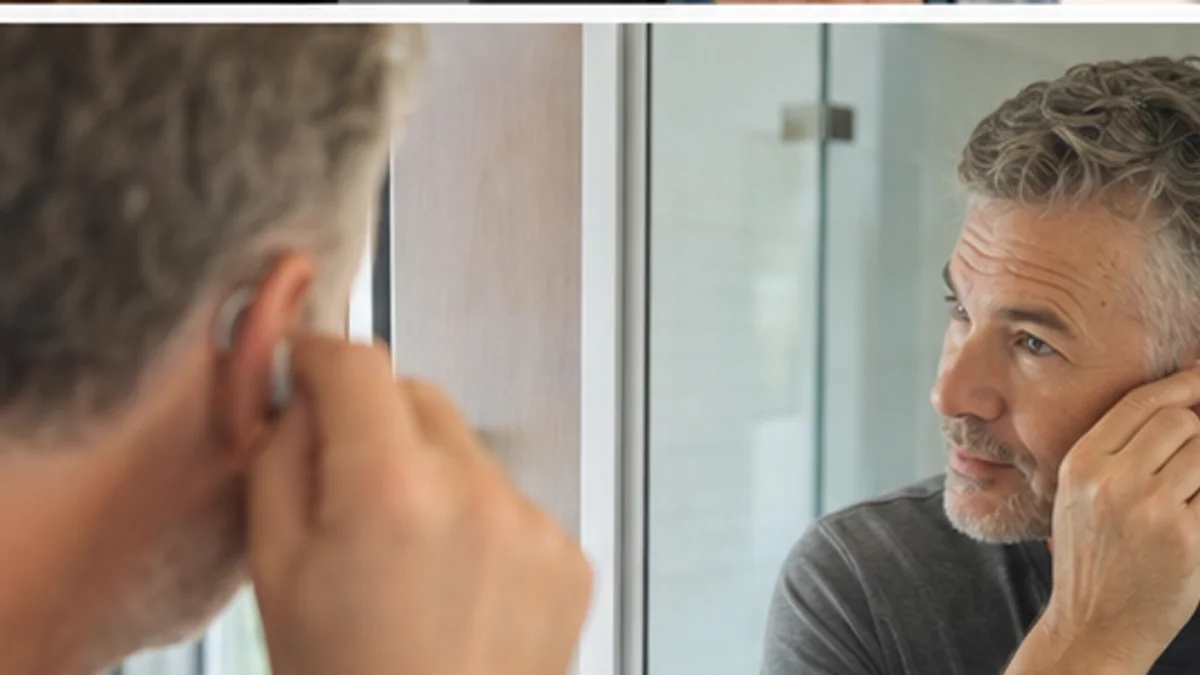
Myth vs fact
Tinnitus After Loud Noise: What to Do Next
Ringing after a concert or a power tool is common. Here is what to do in the days that follow, and when that ringing should be tested by an audiologist.
Read time: 3 min read
Medically reviewed by: Dr. Jennifer Ratner, Au.D.
A lot of hearing advice sounds confident while skipping the details that actually matter.
Ringing after loud noise is the ear reporting the exposure.
“Ringing that outlasts the noise that caused it deserves a hearing test rather than another week of waiting.”
Myth: if it is common, it is harmless
Many people normalize tinnitus after loud noise because a friend, parent, or online forum had a similar experience. Common does not always mean unimportant.
Fact: the pattern changes the answer
The most helpful details are sound quality, sleep impact, stress patterns, hearing changes, and one-sided or pulsatile symptoms.
Myth: louder is the whole solution
Hearing is not only volume. Speech clarity, background noise, ear health, tinnitus, and device fit can all change the plan.
Fact: evaluation prevents wrong turns
A hearing test settles whether the exposure left a measurable change at the high pitches, or whether the ringing is the only sign of it.
Red flags still matter
Seek prompt medical guidance for sudden hearing loss, severe dizziness, new one-sided symptoms, drainage, significant ear pain, facial weakness, head injury, or heartbeat-like tinnitus.
Local care note
Many Westchester and lower Fairfield County patients split time between home, work, restaurants, worship, fitness, and family gatherings, so hearing care should be tuned for more than one environment.
Bottom line
The best next step is tinnitus counseling, hearing testing, sound therapy options, Lenire discussion when appropriate, or medical referral for red flags.
Common questions
The ringing started after a concert. Do I need to be seen?
If it settles and hearing feels normal again, note the exposure and protect your ears next time. If it persists, or hearing feels dull, book a hearing test.
What symptoms should make me act faster?
Seek prompt medical guidance for sudden hearing loss, severe dizziness, new one-sided symptoms, drainage, significant pain, facial weakness, head injury, or heartbeat-like tinnitus.
What should I tell the audiologist?
What the exposure was and how long it lasted, which ear rings, whether hearing felt dull afterwards, and whether this has happened before.