Hearing aids
Hearing Aids for Musicians in Westchester
Hearing aids for musicians need more than a speech setting. Learn about music programs, feedback and sound quality, and how we fit them in Westchester.
Read time: 4 min read

Yes, we fit hearing aids for musicians. We see patients from every profession, and some of them play or sing. Hearing aids are built mainly to help you understand speech. Music is a different job, so a musician should say so at the first visit. This page explains what is different and what to ask your audiologist.
Why music is different from speech
“Hearing aids are built mainly for speech. Music is a different job, so say so at the first visit.”
Speech changes level and pitch in a narrow range. Music can be much louder, can last for a long time, and often has pure, steady tones. Hearing aid settings that suit a conversation can distort a flute, flatten a piano, or cut the top off a cymbal. Musicians also need to hear their own instrument and the players around them. The settings that help in a restaurant may not be the settings that help on stage.
Music programs
Many hearing aids have a separate music program. Greasley and Crook, writing in ENT & Audiology News in 2021, advise using a manufacturer music program, because it can include other strategies. They also say that research on the benefit is mixed and that each patient should try the program and judge it. We agree with that approach. Try the program in the rooms where you play and listen, and tell us what you hear.
Feedback and sound quality
Hearing aids have a feedback manager that removes whistling. It can mistake steady musical notes, such as an organ or a flute, for feedback and suppress them. Greasley and Crook note that an audiologist may switch it off for the music program if you report problems with live music. Marshall Chasin, an audiologist who writes about musicians and hearing aids, also suggests turning off noise reduction and frequency shifting in the music program, because they can change musical sound. These are options for your audiologist to weigh, not a rule for every patient.
Compression and loud peaks
Compression changes how a hearing aid handles loud and soft sounds. Greasley and Crook report that slow-acting compression was linked to higher preference ratings for classical music in some studies. They say more research is needed. Chasin suggests devices that can take in loud peaks without clipping, and a low compression ratio so music keeps its dynamics. Your audiologist can explain which of these your devices allow. Not every hearing aid has these options. We do not promise that a specific product will suit your instrument.
Protecting the hearing you have
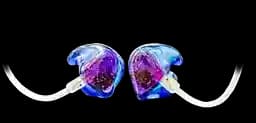
Loud music can harm hearing over time. The National Institute on Deafness and Other Communication Disorders (NIDCD) lists band and orchestra rehearsals and performances among the times to wear hearing protection. Custom musician earplugs are molded to the ear and lower the sound while letting in as much natural sound as possible. We make custom earplugs. Read our pages on custom earplugs and on concert hearing protection.
What to bring to your visit
Bring your instrument or tell us what you play. Tell us where you play, how loud it is, and whether you use in-ear monitors or a stage monitor. Bring your hearing aids if you have them. Write down what sounds wrong: notes that sound out of tune, a harsh tone, a cut-off sound, or your own instrument sounding strange. These details help us choose and set up devices for you.
What we cannot promise
Common questions
Do you fit hearing aids for musicians?
Yes. We work with a number of musicians. Tell us what you play and where, so we can plan your fitting around it.
Can hearing aids make music sound natural?
They can help, but they may not make music sound as it did before. A music program and careful settings can improve it. Research on this is limited, so we adjust with you and check the result in your own setting.
Should I turn off the feedback manager for music?
Your audiologist decides. The feedback manager can mistake steady notes for feedback. Switching it off for a music program is one option when live music is a problem.
Do hearing aids work with in-ear monitors?
Tell us if you use in-ear monitors. We plan the fitting around how you perform. Ask about this at your first visit.
Should I wear earplugs when I play?
Loud music can harm hearing over time. We make custom earplugs, and the NIDCD advises hearing protection for band and orchestra rehearsals and performances.