
Hearing protection
Custom Earplugs in Westchester: Sleep, Swim, Music and Work
We make custom earplugs at our Harrison and Somers offices, for sleep, swimming, music, work and noisy hobbies. Learn how they work and how to book.
Read time: 4 min read
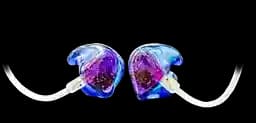
Yes, we make custom earplugs. Our audiologists make them at our Harrison and Somers offices. You can get a pair for sleep, swimming, music, work or a noisy hobby. A custom earplug is shaped to your own ear. That is the main difference from the plugs you buy at a store. This page explains the uses, how the plugs are made, and what to expect.
Patients come to us from White Plains and from towns across Westchester. Harrison is the closer office for central and southern Westchester. Somers is the closer office for the north. Call to ask which office suits you.
“A plug that does not seal does not protect as much. A custom plug is shaped to your own ear.”
What custom earplugs are
A custom earplug is made from an impression of your ear. Stores sell foam and pre-molded plugs in standard sizes. These can work, but a standard size may not seal your ear well. A plug that does not seal does not protect as much. The National Institute on Deafness and Other Communication Disorders (NIDCD) says custom musician earplugs are molded to your ear. They are made to reduce sound while letting in as much natural sound as possible. It advises that you consult a hearing health professional for them.
How we make them
Your audiologist looks in your ear first. Wax or a medical problem must be dealt with before a plug is made. Then we take an impression of your ear in the office. The impression is used to make the plugs. Tell us what you need them for, because the use decides the type. Ask us about the options for your use. The plug should feel secure and should not hurt. The NIDCD says to never force an earplug into your ear.
Sleep
Some people wear earplugs to sleep because of a partner who snores, street noise or shift work. A custom plug can be made small and soft so that it is comfortable when you lie on your side. Tell us how you sleep. Ask how much sound you will still hear, such as an alarm clock or a smoke alarm, and how to clean the plugs.
Swimming and water
Water in the ear canal can lead to swimmer's ear, an infection of the outer ear canal. The Centers for Disease Control and Prevention (CDC) advises keeping your ears as dry as possible while swimming. It lists a bathing cap, earplugs or custom-fitted swim molds as ways to do this. The CDC also says to see a healthcare provider for ear pain or drainage. Do not wear any earplug if you have ear pain or drainage until a provider has looked at your ear.
Music and concerts
Music plugs lower the sound evenly, so music stays clear and does not sound muffled. The NIDCD lists band and orchestra rehearsals and performances, and concerts, among the times to wear hearing protection. For a closer look at filters and foam plugs, read our guide to concert hearing protection. If you play in a band, tell us which instrument you play and where you stand. We fit hearing aids for musicians as well.
Work and noisy hobbies
The NIDCD says sounds at or above 85 dBA can cause hearing loss with long or repeated exposure. The Occupational Safety and Health Administration (OSHA) says employers must run a hearing conservation program when workers are exposed to an average of 85 dBA or more over eight hours. Employers must provide hearing protection free of charge in that program. Many people still want a plug that fits their own ear and that they will wear all day. Custom plugs can suit power tools, lawn work, shooting sports, motorcycles and other loud hobbies. Our article on power tools and yard work gives more detail.
What custom earplugs do not do
Hearing protectors do not block all sound. A higher noise reduction rating usually blocks more, but only when the plug is worn correctly. Earplugs do not treat hearing loss or ringing in the ears. If you already have ringing or trouble hearing, book a hearing test. If your hearing changed suddenly after loud noise, do not wait. Contact a doctor promptly.
How to book
Call our Harrison office at (914) 949-0034 or our Somers office at (914) 556-6720. Tell us what you want the earplugs for. We do not list prices on this page, so please ask when you call.
Common questions
Do you make custom earplugs?
Yes. We make custom earplugs at our Harrison and Somers offices. Call us and tell us what you want them for.
How much do custom earplugs cost?
Please ask when you call. The cost depends on the type of plug you need.
Can I get custom earplugs for sleeping?
Yes. Tell your audiologist how you sleep so that the plugs can be comfortable. Ask how much sound you will still hear, such as an alarm.
Can I get custom swim plugs?
We make custom earplugs for several uses. The CDC lists custom-fitted swim molds as one way to keep ears dry. Do not wear any plug if you have ear pain or drainage. See a healthcare provider first.
Are custom earplugs better than foam plugs?
They fit your own ear and can be more comfortable for long wear. A well-fitted foam plug also protects. The best plug is one that fits and that you will wear.
Do I need a hearing test first?
Your audiologist will look in your ear before taking an impression. A hearing test is a good idea if you have been around loud noise for years, or if you have ringing or trouble understanding speech.