Audiology Associates of Westchester logo

Technology service

Hearing Aid Fitting for Greenwich, CT; Scarsdale, Mt. Kisco, White Plains, Harrison, Rye, Somers, NY & Beyond

Personalized hearing aid selection, fitting, verification, and follow-up care.

Personalized hearing aid care

hearing aid fitting appointment

Appointment focus

1

Your audiologist confirms the devices and checks the physical fit in both ears.

2

The hearing aids are programmed to the prescription for your hearing loss.

3

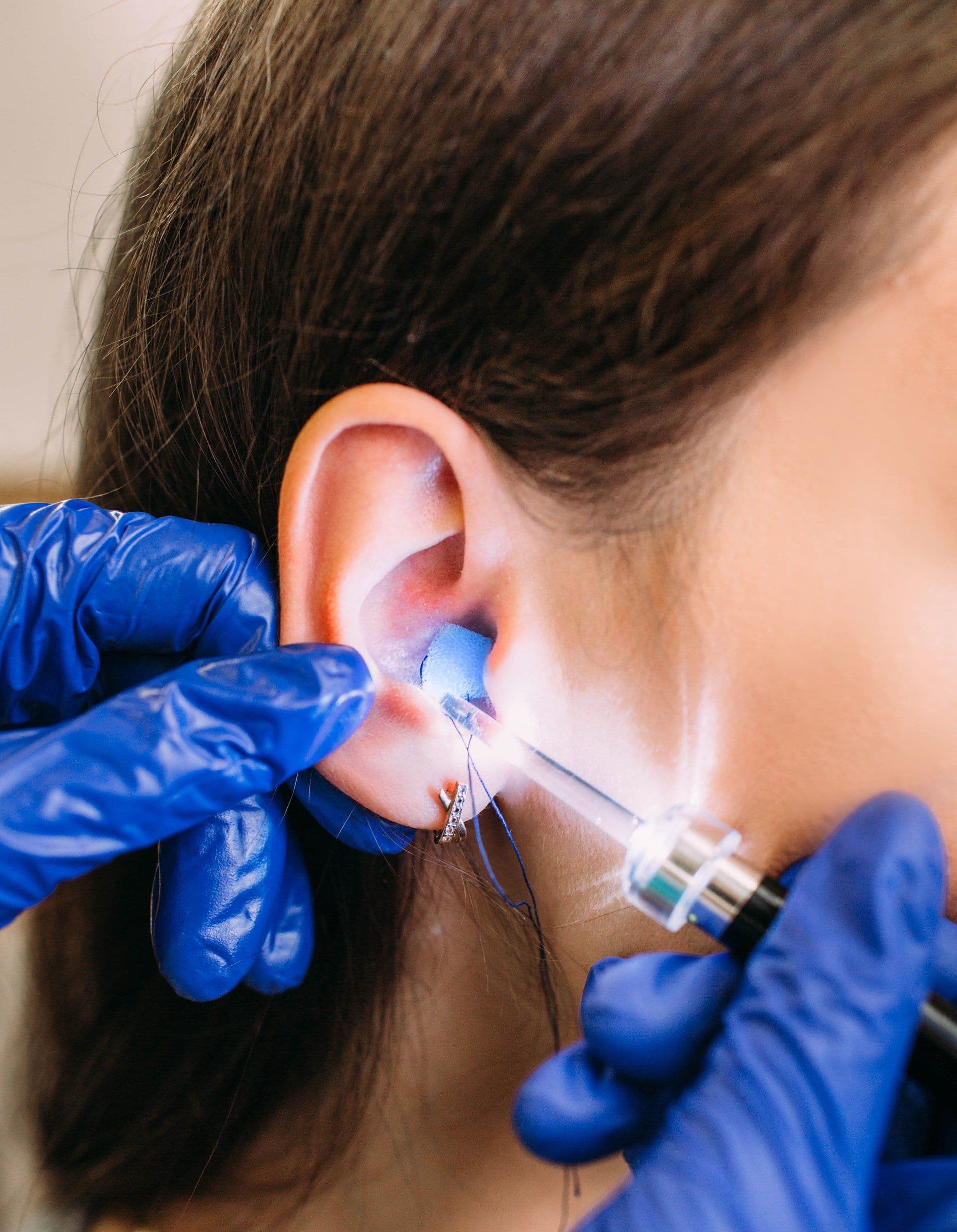
Real-ear measurement checks what the devices deliver at your eardrum against that prescription.

What to know

A clearer look at this service

Getting a customized fitting is just as important as choosing the right hearing aid. At Audiology Associates of Westchester, we make sure your hearing aids are programmed to your hearing, checked in your ear canal, and comfortable to wear. We serve patients across White Plains, NY; Harrison, NY; Scarsdale, NY; Rye, NY; Mt. Kisco, NY; Somers, NY; and Greenwich, CT.

A fitting is more than handing over a device. Your audiologist sets the hearing aids from your hearing test results, measures what they deliver at your eardrum, and shows you how to handle, clean and charge them. The visits that follow fine-tune the sound after you have worn them in real rooms.

Hearing aids that fit well also stay put, stay quiet, and need fewer adjustments. If you already own hearing aids that feel wrong, a fitting visit can help you too.

Helpful notes

Make a list of the situations where you most want improvement.

Bring your phone, and its passcode, if you want streaming set up.

Ask what follow-up visits are included and over what period.

Programming to your hearing test

Your audiologist programs each hearing aid to the pattern of your own hearing loss. Factory settings are built on averages, and no two ears are the same. Programming also covers where and when you plan to use the devices, such as quiet rooms, restaurants, the car, meetings and phone calls.

Real-ear measurement

Real-ear measurement uses a thin, soft probe tube placed in the ear canal near the eardrum. It measures what the hearing aid actually delivers and compares it with a target for your hearing loss. Many audiologists consider it the best way to confirm a fitting. We use real-ear measurement at every fitting, because a device that looks right on a screen can still miss the target in your ear.

Live speech mapping

Live speech mapping uses the same probe microphones to show the benefit of your hearing aids in real time. You can see how speech sounds change as your audiologist adjusts the devices, and you can hear the difference at the same moment.

Fit, comfort and style

Your audiologist checks how each device sits in the ear, whether it stays in place, and whether it whistles. If you wear glasses or masks, use a phone often, or want a discreet device, say so at the fitting. Small receiver-in-canal models, in-the-ear styles and invisible options each suit different ears and different hearing losses.

What happens at the visit

Your audiologist confirms the devices and checks the fit in both ears. The hearing aids are programmed to your prescription. Real-ear measurement checks the result at your eardrum. You practice insertion, cleaning, charging and phone pairing before you leave. A follow-up visit is then planned for after you have worn the devices for a week or two.

Getting used to new hearing aids

Getting used to hearing aids takes time, usually a few weeks or months. Wear them as much as you can and be patient. The brain needs time to relearn sounds it has not heard clearly in years. A deeper hearing loss usually takes longer. Keep a log of times when you did not hear well, and bring it to your next visit so your audiologist can adjust the devices to match.

Follow-up care

Follow-up care is part of a good fitting. Ask what follow-up visits are included, and for how long, before you buy. Please get that in writing. If you need more adjustments or reprogramming in the future, call us.

Trial period and return terms

Every provider sets its own trial period, return terms and fees. Ask each one to give you the trial length, the return terms and any restocking fee in writing. Ask us about ours when you book.

Hearing aids from another provider

If you bought your hearing aids somewhere else, call ahead with the brand and model. In many cases we can help with adjustments, cleaning or reprogramming. Your audiologist will tell you what is possible for your device.

Dr. Cliff Approved Provider

Audiology Associates of Westchester is a Dr. Cliff Approved Provider. Dr. Cliff is a doctor of audiology whose videos explain hearing aid care to patients.

Decision guide

Choose this appointment with confidence

This is a good fit when

  • You have hearing test results and want a professional device recommendation.
  • You need help comparing brands, styles, Bluetooth, rechargeable options, or invisible devices.
  • Your current hearing aids are not matching your everyday listening needs.

This may not be the first step when

  • You have not had a recent hearing evaluation.
  • You only need a quick cleaning, receiver, dome, wax filter, or battery check.

What the visit should clarify

  • Review of hearing results, dexterity, lifestyle, phone needs, and cosmetic preferences.
  • Device selection based on clinical findings and real listening priorities.
  • Orientation, real-ear verification, and follow-up planning.

Useful questions to ask

  • How will this recommendation help in restaurants, meetings, cars, or family gatherings?
  • What follow-up adjustments are included?
  • How will comfort, retention, and phone connectivity be handled?

What patients say · 500 reviews on Google

In our patients’ words

“I went for a routine hearing screening. The audiologist was so kind, professional, knowledgeable, and informative. All checked out well and I will continue to use this practice in the future. The office is clean, comfortable and calming!”

Ilene V.

Hearing screening · Verified Google review

“Our audiologist is outstanding. My husband has been seeing the practice for tests and hearing aid fittings — thorough, patient, caring and so very knowledgeable, with step-by-step directions and explanations.”

Cindy B.

Hearing aid fitting · Verified Google review

“I appreciate the professionalism shown during my two visits. The audiologist was patient and took time to answer my questions — thorough while explaining and demonstrating the proper use of my new hearing aids.”

Ronald B.

New hearing aids · Verified Google review

See all patient reviews

What good care includes

A visit should end with clarity, not confusion

These are the practical pieces patients should expect when comparing hearing care options.

A complete case history and a clear explanation of symptoms.

Ear inspection and testing recommendations based on what the patient is noticing.

Plain-language next steps, including whether hearing aids, tinnitus care, repair, monitoring, or referral may be appropriate.

Follow-up support so hearing care can be adjusted around real listening situations.

Frequently asked questions

Helpful answers before you schedule

What is real-ear measurement?

Real-ear measurement uses a thin probe tube in your ear canal to measure what your hearing aid delivers near your eardrum. Your audiologist compares that result with a target for your hearing loss and adjusts the device to match.

How long does it take to get used to hearing aids?

Most people need a few weeks to a few months. The brain needs time to relearn sounds. Wear the devices as much as you can and keep a note of the situations that are hard.

Why do I need follow-up visits?

Your first week or two with hearing aids shows what you need in real rooms. Follow-up visits let your audiologist fine-tune comfort, clarity and settings based on what you tell us.

Can you adjust hearing aids I bought somewhere else?

In many cases, yes. Call ahead with the brand and model so the team can tell you what is possible for your device.

How much do hearing aids cost, and will insurance help?

Price depends on the technology level, the style and the care included. Our cost guide and our insurance guide explain the ranges and the rules for Medicare, New York Medicaid and Connecticut plans. Call us to talk through your own situation.

What should I ask about the trial period?

Ask for the trial length, the return terms and any restocking fee in writing before you buy. Ask us about ours when you book.

Ready for next steps?

Schedule with a hearing doctor

Call or request an appointment to talk through testing, hearing aids, tinnitus, repairs, or follow-up care.