
Audiology Associates of Westchester
Signia MaX: What Is Actually Known So Far
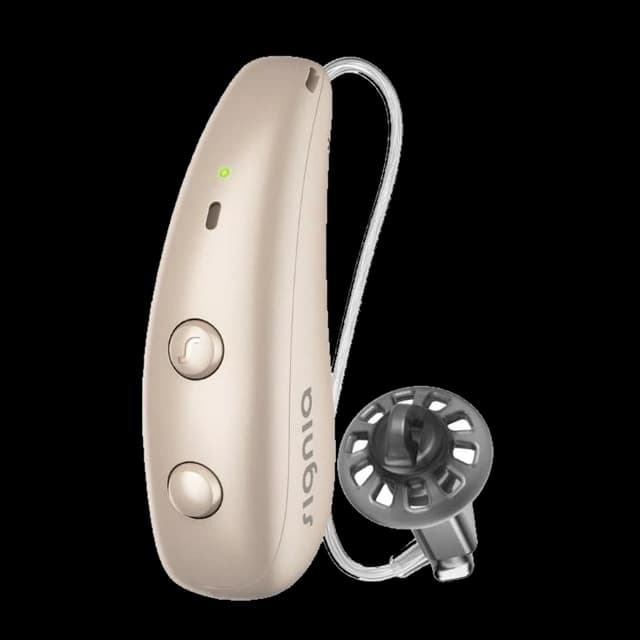
Signia announced MaX on 24 August 2026 and American dispensers could order it the same day. It now sits above Signia IX at the head of the range, and the pitch behind it is unusual: rather than a single trained system doing everything, four of them, each given a narrower job.
The idea. The industry standard is a lone network trained to pull conversation clear of everything else. Signia's argument is that this asks a single system to settle several unrelated questions simultaneously — is anyone actually talking, is that the wearer's own voice, has the acoustic environment changed underfoot — and that a wrong answer to any of them sends the aid off in the wrong direction. MaX therefore distributes those judgements across four separately trained networks running in concert, badged Acoustic Intelligence. It is a real engineering stance, not a slogan bolted onto last year's silicon.
Where the numbers come from. Signia reports that 97 per cent of wearers do better in noisy group conversation than with unnamed competitors, and that MaX leads on signal-to-noise performance in the same conditions. Both cite white papers written by Signia in 2026 that we have not been able to find published anywhere, with no stated protocol, sample size or comparator. A third figure — 54 times the processing power — carries a footnote whose entire content is that the yardstick was Signia IX. That is a baseline, not a study. That is not an accusation. Manufacturers validate their own designs because that is how devices get built, and the company has been publishing hearing research for decades. It does mean the white-paper claims stay unverified, and that the figures doing the heaviest persuasive work describe the chip rather than what a patient experiences across a dinner table.
What a lab has measured since launch. HearAdvisor, the lab HearingTracker works with, has tested the top-level MaX 7 and gave it a SoundScore of 4.3 out of 5, an A grade and its Expert Choice award, against a prescription-category average of 4.19. Speech in noise scored 2.1 untuned and 2.8 after professional tuning, speech in quiet 3.6, own voice 3.7, streamed music 2.9 and feedback handling 4.6, according to HearingTracker. Look at the gap between 2.1 and 2.8: the same aids scored better once they were tuned by a professional, which is the fitting effect in a single number. It is also one lab's standard test of one technology level. MaX 5 and MaX 3 have not been rated separately, and a lab score says nothing about the group conversation in your own restaurant, which is where Signia's 97 per cent claim sits.
The Auracast caveat almost nobody is printing. Every summary of this device lists Auracast, and the hardware genuinely supports it. What the summaries leave out sits in Signia's own small print: the capability is enabled by a software release scheduled before March 2027. Buy today and you own a device built for broadcast audio that cannot yet receive any. With the entire industry marketing this technology at once, the distinction deserves stating plainly. Meanwhile the built-in telecoil is working, and around here that still reaches more venues than Auracast does.
What is missing. A lab has now measured one MaX model, and the other levels are untested. Signia has published no price. One online retailer lists MaX 3 from $2,698, MaX 5 from $2,798 and MaX 7 at $3,298 a pair, according to HearingTracker, but a price at a practice also covers testing, fitting and follow-up, so ask for a written quote. Hearing Review reports an IP68 rating, and HearingTracker lists up to 30 hours of battery per charge. At launch the platform comes in exactly one form: rechargeable, worn behind the ear with the receiver in the canal, offered in eight colours. Nothing custom, nothing instant-fit, no slim or powerful variant, and no CROS option. And nothing in the launch material refers to tinnitus, although notch therapy and the relief signals have been standard across Signia IX for years. We expect they carry forward and will confirm it in the fitting software before saying so.
Who it suits. Crowded rooms full of overlapping voices are the situation this design targets most directly — and also the one where the supporting evidence is thinnest, so ask for a demonstration instead of accepting the figure. If your ears need a form MaX is not made in, choosing IX is not settling for less; it is the only Signia that physically fits the brief, and it carries external test results the newer platform lacks. And if your current IX aids have been verified and are doing their job, our advice is to leave them alone. Our Harrison and Somers audiologists will set MaX beside whatever you wear now, in a noisy room rather than a quiet booth, and you can decide with your own ears.
Last updated 8 October 2026. What changed: we added the HearAdvisor lab result for MaX 7, the retailer price listings, the IP68 rating, the battery claim and the United States availability details, and we corrected earlier statements that no outside laboratory had measured MaX. We also added a link to our roundup of the five new AI hearing aids.
FAQ
Helpful answers
What does MaX stand for?
Multi-adaptive Xperience. Signia names platforms this way: AX was Augmented Xperience, IX was Integrated Xperience. MaX is the 2026 generation and now sits at the top of the range.
Has anyone independent tested Signia MaX?
One lab has, as of October 2026. HearAdvisor scored the top-level MaX 7 at 4.3 out of 5, an A grade. The other levels are untested, and Signia's group-conversation and processing figures remain company claims. Signia IX has also been externally measured and performed strongly, which is the relevant comparison if evidence matters more to you than release date.
Is Signia MaX available in the United States?
Yes. Signia announced MaX on 24 August 2026 with launch in the United States, Germany and the Nordics, according to Hearing Review, and HearUSA reported nationwide availability on 1 September. What any one practice can fit depends on stock and fitting software, so call before you plan around it.
How does MaX compare with the other new flagship hearing aids?
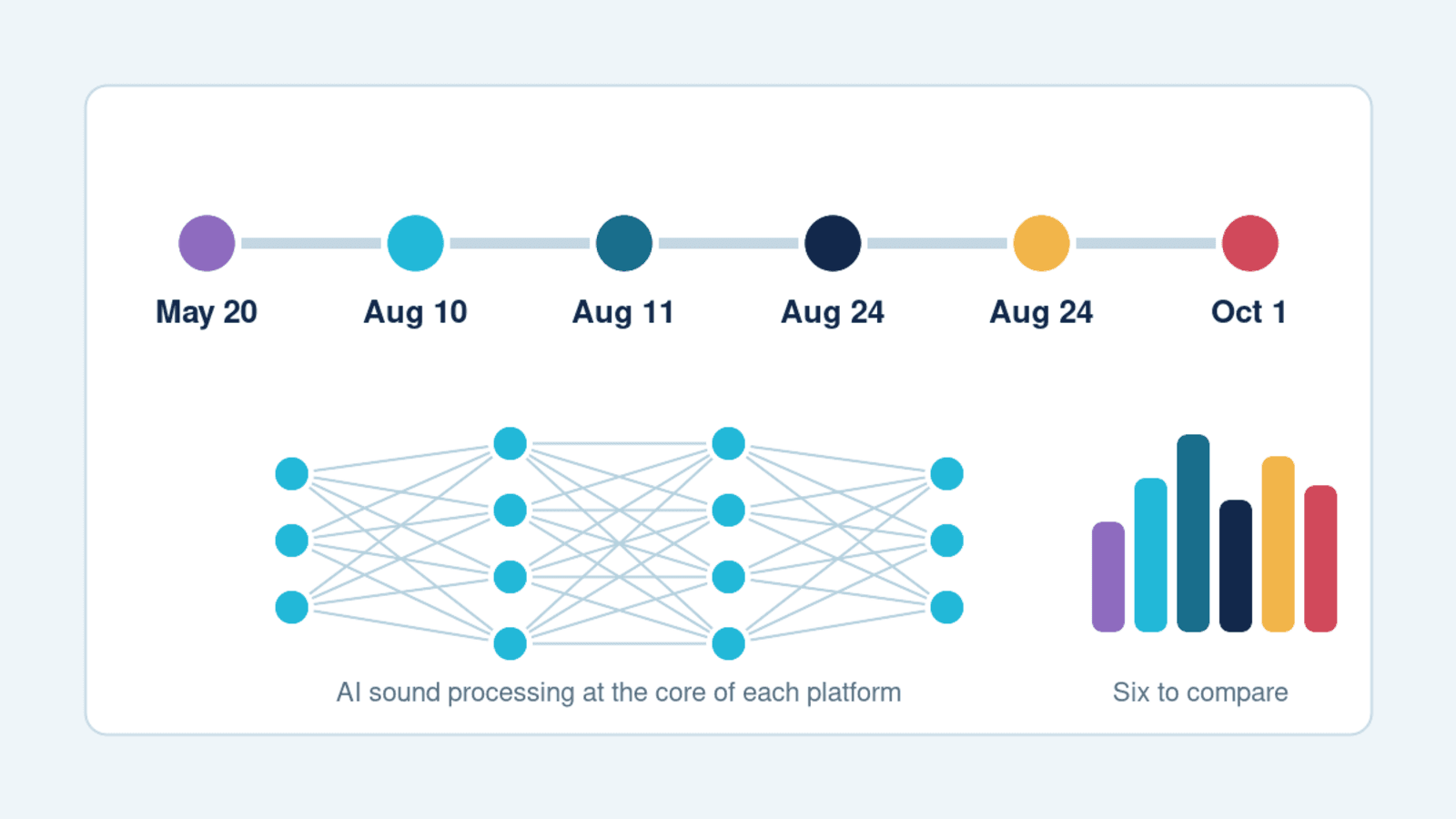
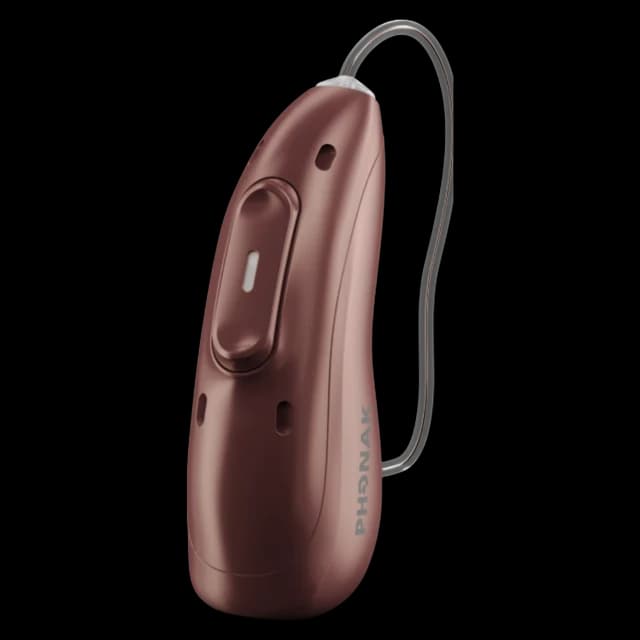
Four other makers launched AI flagships within seven weeks of MaX. We set them side by side in one table in our roundup of the five new AI hearing aids of fall 2026, and we name no winner because the right device depends on your hearing and your fitting.
Does MaX support Auracast?
The chip does. Switching it on waits for a software release Signia has put before March 2027. In the meantime the built-in telecoil is live, and locally that reaches more venues than Auracast currently does anyway.
Should I wait for it or be fitted now?
If hearing is a daily struggle, a properly verified fitting today will serve you better than waiting on a platform whose real-world performance has barely been measured. If your present aids work, nothing about this launch obliges you to move.

Keep reading
Appointment guidance
Not sure whether to book a hearing test or an ear check?
Call (914) 949-0034 and describe what you are noticing. We will tell you which appointment to book and which office is the shorter drive.