
Bottom-funnel guide
Can an Audiologist Program Hearing Aids Bought Somewhere Else?
Hearing aids bought online, at Costco or from another clinic can sometimes be reprogrammed. It depends on the model, the lock status and the software.
Read time: 4 min read
Medically reviewed by: Dr. Jennifer Ratner, Au.D.
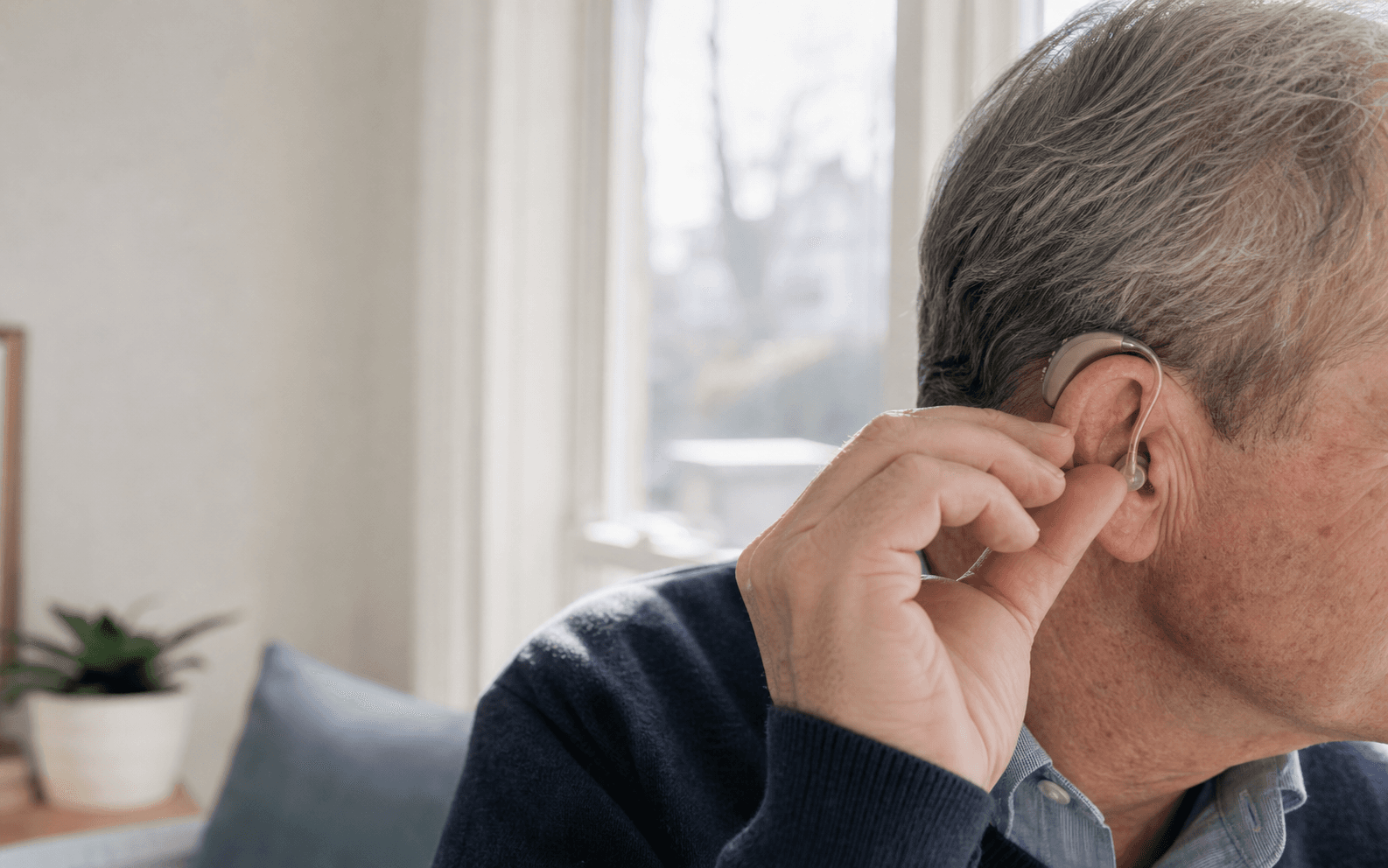
Sometimes. Whether another clinic can program your hearing aids depends on the brand, model, age, condition, software access, device lock status, and whether the clinic supports that manufacturer. A quick phone description can help, but the final answer may require an in-person device inspection.
Audiology Associates of Westchester offers an Adoption Plan for appropriate devices purchased elsewhere. The goal is not merely to turn the volume up; it is to determine whether the technology can be safely and effectively matched to your current hearing and communication needs.
“Bring the model number and the serial number. Whether anyone can program the devices is decided by those two lines, not by the brand on the box.”
Why the brand and model matter
Prescription hearing aids usually require manufacturer-specific fitting software and compatible programming equipment. Some models are widely serviceable, while others may be proprietary, locked to a retailer, obsolete, damaged, or unsupported. Bring the exact model information, serial numbers, charger, accessories, and any prior hearing-test or fitting records so the clinic can assess what is possible.
What a useful adoption visit includes
A strong visit starts with hearing and ear-health context, not software alone. The audiologist may review an updated audiogram, inspect the devices, check physical and electroacoustic function, connect them to fitting software, assess comfort, and discuss the situations where they are failing. Cleaning, receiver or dome changes, firmware, pairing, and repair needs may be addressed before programming.
Why an old hearing test may not be enough
Programming should reflect current hearing thresholds, speech understanding, listening goals, and sound tolerance. If your test is outdated or symptoms have changed, new diagnostic information may be needed. Sudden, asymmetric, painful, draining, or dizzy symptoms should be evaluated rather than handled as a routine programming complaint.
Real-ear verification is the quality check
A hearing aid can look correct on a computer screen and still deliver too little or too much sound in an individual ear. Real-ear measurement uses a small probe microphone to measure the device's output in the ear and compare it with evidence-based targets. ASHA describes this as the gold standard for hearing-aid fitting verification.
When keeping the devices makes sense
Reusing existing devices may be reasonable when they are appropriate for the hearing loss, in good condition, supported by current software, comfortable, and capable of meeting communication goals. It may be less practical when repair costs are high, parts are unavailable, batteries are failing, the technology cannot provide needed power or features, or the devices are locked to another provider.
Questions to ask before scheduling
Ask whether the clinic supports your exact brand, whether a current hearing test is required, what the evaluation and programming fees include, whether real-ear verification is available, and how follow-up adjustments are handled. Clear expectations prevent a programming appointment from becoming an unexpected device-replacement conversation.
Bottom line
Hearing aids purchased elsewhere can sometimes be adopted into professional care, but compatibility is only the first hurdle. The better question is whether those devices can be verified, adjusted, maintained, and supported well enough to improve the listening situations that matter to you.
Common questions
Can you program Costco hearing aids?
It depends on the exact brand and model, whether it is locked or proprietary, and whether compatible software and support are available. Call with the model and serial information.
Do I need a new hearing test first?
You may if the prior test is outdated, incomplete, unavailable, or your hearing and symptoms have changed.
What should I bring?
Bring both devices, charger or batteries, accessories, phone and app access, prior audiograms, purchase records, and notes about the situations that are not working.