Research explained
Hearing Care During Cancer Treatment: A Monitoring Guide for Patients and Families
Cisplatin can affect hearing. See why baseline and follow-up hearing tests matter, what to report and what to ask your oncology team. Book a hearing test.
Read time: 7 min read
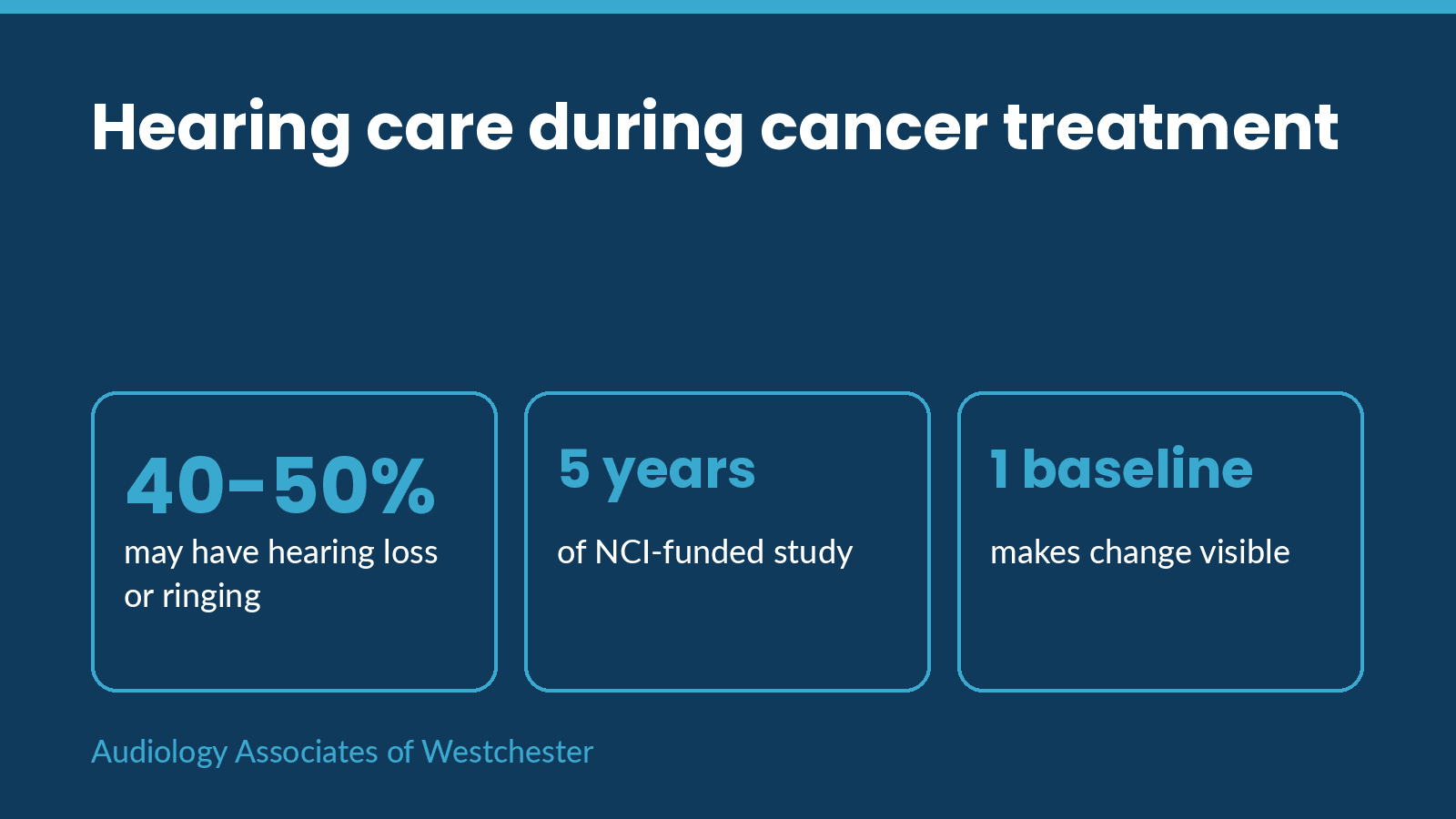
Cisplatin is a cornerstone chemotherapy drug, and it can harm hearing. MUSC's Hollings Cancer Center announced on October 22, 2026 that Brent Wilkerson, Ph.D., now holds a five-year grant from the National Cancer Institute to work out how cisplatin injures the inner ear. This is early-stage research and it changes no treatment today. The useful lesson for patients is about monitoring.
This guide explains what monitoring means, what to report between tests and what survivors can do afterward. We perform hearing evaluations. Cancer treatment decisions belong to your oncology team, and we never advise changing a drug or adding a supplement.
“A baseline test now makes every later change visible and treatable.”
The news in brief
MUSC puts the figure at 40% to 50% of cisplatin-treated patients who develop hearing loss or tinnitus, citing research. The team plans to follow hearing in mice through treatment, look at gene activity cell by cell and test whether nerve cells are harmed too, beyond the outer hair cells that earlier work focused on. Wilkerson says the true impact may exceed what traditional hearing tests capture. In his words, the goal is to reduce the burden so patients can enjoy their lives and not just survive.
| Question | What MUSC reports | What it does not say |
|---|---|---|
| How often does cisplatin affect hearing? | 40% to 50% of treated patients, citing research | Your own risk |
| What does the new grant study? | If cisplatin harms nerve and other inner ear cells | Any treatment available now |
| How will it be studied? | Mouse models and single-cell gene profiling | Results in patients |
| Can hearing be protected? | Sodium thiosulfate can reduce loss in some patients | That anyone should use it. Oncologists decide |
What a hearing baseline is
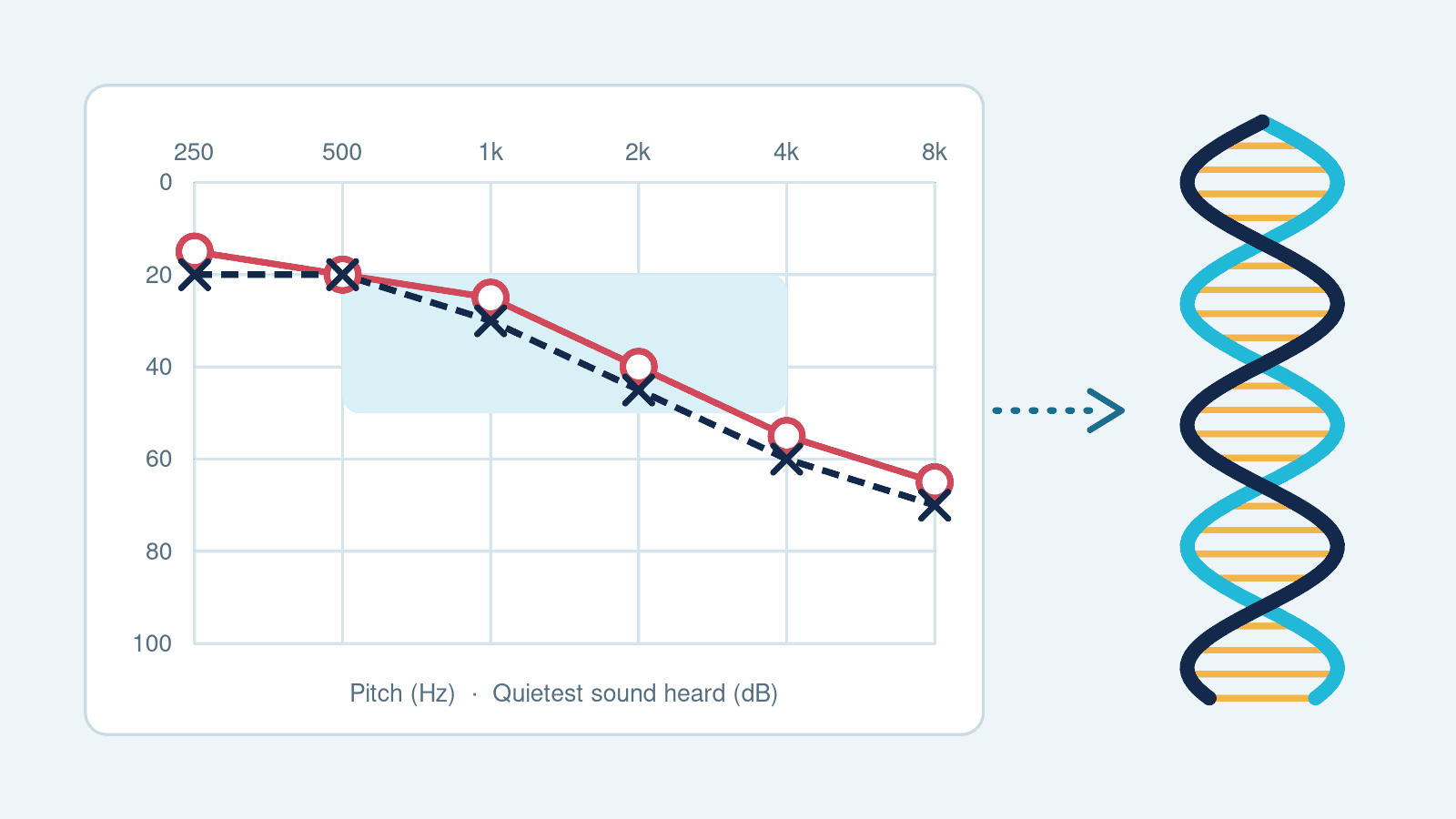
A baseline is a hearing test done before or early in treatment, when your hearing is at its starting point. It records the quietest sounds you hear at each pitch, and it can include a test of understanding speech in noise. Later tests are compared with your own numbers, so a small change shows up early. Our page on reading an audiogram explains the chart. Your oncology team can tell you whether a baseline suits your drug plan and when to repeat the test.
What we can offer, and what we do not claim
Our role at Audiology Associates of Westchester is the hearing evaluation itself, and with your permission we send the results to your oncology team. We do not currently describe a formal ototoxicity monitoring program, and we do not say we coordinate with a specific cancer center. Mention your treatment schedule when you book so the visit can be timed around it. See what happens at the visit on our page about the comprehensive hearing evaluation.
Warning signs to report between tests
Tell your oncology team promptly about new ringing in the ears, muffled hearing, a feeling of fullness or new trouble following conversation in noise. Do not wait for the next scheduled visit. A sudden drop in hearing, in one ear or both, is urgent. Read our page on sudden hearing loss and why not to wait.
Protecting hearing without protecting the tumor
One protective drug, sodium thiosulfate, can lessen hearing loss for some patients, MUSC notes. Because it neutralizes cisplatin, it risks dulling the cancer treatment too, so oncologists strike that balance. That is an oncology decision, and the reason this research matters. Leave supplements and drug timing to your oncology team.
After treatment: hearing aids and tinnitus care
If hearing loss is permanent, options include hearing aids and tinnitus care. Our pages on tinnitus management and hearing aid fitting explain what we offer. If you notice more trouble in restaurants or groups after treatment, a test can show whether hearing is part of it.
For families and caregivers
People in treatment may not mention hearing, because other problems feel bigger. Watch for repeated requests to repeat, a louder television, withdrawal from groups and complaints of ringing. Offer to book the test and go along. A hearing check can sit beside the rest of the care plan.
A note for patients
Starting cisplatin? Put hearing on the checklist beside the other side effects you plan for. A baseline test taken early lets every later change be seen and acted on. Finished treatment and finding conversation harder? That deserves a test, not resignation. Looking after a survivor includes looking after hearing.
What to do next
Book a hearing evaluation at our Harrison or Somers office, or call (914) 949-0034. A one-page checklist to bring to your oncology visits is in the box below. For related reading see our page on hearing and cognitive screening.
Status and last update
Last updated October 28, 2026. Change note: this is the first version. We will revise this guide when the research yields results that alter care. Sources are listed at the end of this page.
Medical information notice
This article summarizes published research and trial news for general education. It offers no medical advice, diagnosis or treatment. Check every treatment, drug and supplement decision with your oncology team. Call (914) 949-0034 to book at our Harrison or Somers office.
Common questions
Can chemotherapy cause hearing loss?
Yes, some drugs can. Citing research, MUSC says 40% to 50% of cisplatin-treated patients develop hearing loss or tinnitus. Other drugs can also affect hearing, so ask your oncology team about yours.
Is a hearing test worth doing before chemotherapy starts?
Raise it with your oncology team first. We perform the hearing evaluation and can pass the results to your team when you ask.
Is hearing loss from cisplatin reversible?
The MUSC report does not say. Loss from damaged inner ear cells is usually permanent. An evaluation shows what is present and which options help.
Can I protect my hearing during treatment?
MUSC says sodium thiosulfate lessens hearing loss for some. It acts by binding cisplatin, so only an oncologist decides on it, and supplements are never a do-it-yourself step.
Does this research change my care today?
No. The grant funds basic science on how cisplatin damages the ear. Wilkerson calls it a first step toward better protection.
Do you coordinate with my cancer center?
We share your hearing results with your oncology team when you ask us to. We do not claim a formal arrangement with any cancer center.
Get the one-page hearing checklist for chemotherapy patients.
Leave your email and we will send the checklist to bring to your oncology visits. We will send nothing else.