Local care guide
Can an Audiologist Remove Earwax? What Westchester Patients Should Know
Audiologists can remove earwax when the ear history and the examination allow it. Here is what happens at the appointment, and when a referral is safer.
Read time: 4 min read
Medically reviewed by: Dr. Caitlin Dold, Au.D.

Yes. Audiologists may provide cerumen management when their training, state scope of practice, equipment, and the patient's ear history make removal appropriate. The first step is always an ear examination—not an assumption that every plugged ear is caused by wax.
At Audiology Associates of Westchester, earwax questions often arise before a hearing test, after a hearing aid begins sounding weak, or when an ear suddenly feels blocked. The safest next step depends on what the clinician sees and the symptoms you report.
“The ear gets looked at before anything is removed. A plugged ear is not proof that wax is what is plugging it.”
Why earwax can affect more than comfort
A significant wax blockage can reduce sound reaching the eardrum, interfere with accurate hearing-test results, cause a hearing aid to whistle, clog a receiver or wax guard, and create a feeling of fullness. But fullness can also have other causes. A visual ear check helps determine whether wax is actually the likely explanation before anyone tries to remove it.
What happens at an earwax appointment
The clinician reviews symptoms, prior ear surgery, eardrum perforations, tubes, drainage, pain, medications, and other relevant history. The ear canal and eardrum are inspected when visible. If removal is appropriate, the method is selected for the amount and location of wax and the patient's comfort. Hearing testing or a device check may follow when those were part of the original concern.
When an audiologist may refer instead
Referral may be the safer choice when there is severe pain, active drainage or bleeding, a suspected infection, an object in the ear, a known or possible eardrum problem, certain surgical histories, or wax that cannot be removed safely in the office. Sudden hearing loss should not be treated as a routine wax problem, even when the ear feels clogged.
Why cotton swabs usually make the problem harder
Cotton swabs and other objects can push wax deeper, scratch the canal, or injure the eardrum. Ear candles are not a safe substitute for professional care. Home drops may be inappropriate for some ears, especially with tubes, perforation, drainage, or prior surgery, so ask a qualified clinician before putting a product into an ear with an uncertain history.
Earwax and hearing aids
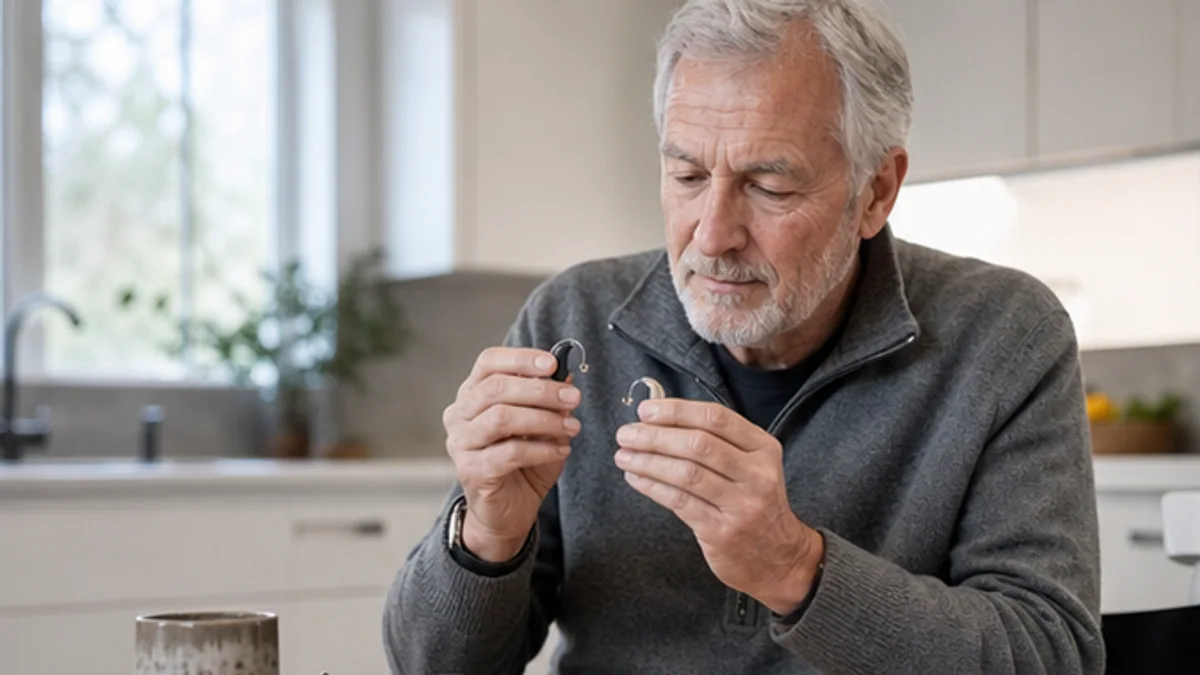
Hearing aids naturally encounter earwax because the receiver, dome, or earmold sits at the canal entrance or inside it. A weak or intermittent device may need a wax-guard change or professional cleaning rather than a programming change. If the device is clean but hearing still feels muffled, an ear inspection and updated hearing check can separate a device issue from an ear or hearing change.
Where to schedule in Westchester
Patients near Harrison, White Plains, Scarsdale, Somers, Rye, and nearby communities can call the practice to describe the blockage, timing, pain, drainage, hearing change, and hearing-aid symptoms. That information helps the team select the right appointment and advise whether audiology care or medical evaluation should come first.
Bottom line
An audiologist may be able to remove earwax safely, but the value of the visit begins with determining whether wax is truly the problem. Seek faster medical guidance for sudden hearing change, severe pain, drainage, bleeding, marked dizziness, facial weakness, or other acute symptoms.
Common questions
Can I have a hearing test right after earwax removal?
Often, yes, when the canal is clear and the ear is comfortable. The clinician will decide whether testing can proceed accurately that day.
Can wax make a hearing aid sound weak?
Yes. Wax can block the receiver or wax guard and can also obstruct the ear canal. A device check and ear inspection can identify which issue is present.
Should I use drops before my appointment?
Ask the office first. Drops are not appropriate for every ear, particularly with drainage, tubes, a possible perforation, or certain surgical histories.