
Clinic note
How Often Should Hearing Aids Be Professionally Cleaned?
Wiping the devices at home is not the same as a professional clean and check. Here is what the office visit does and how often it is worth booking.
Read time: 3 min read
Medically reviewed by: Dr. Julia Rivera, Au.D.
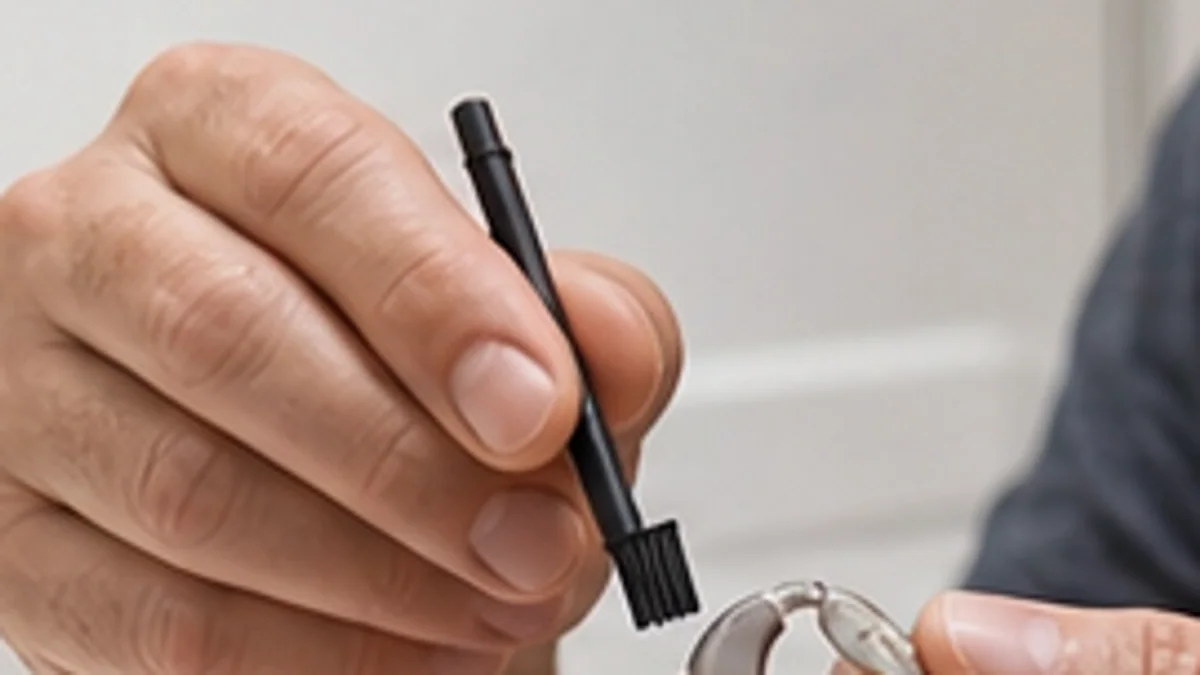
Here is how this topic tends to get sorted out during a well-run appointment.
Home cleaning keeps wax off the outside. A clean and check reaches what you cannot see.
“A clean and check finds the wax guard you cannot see, the receiver you cannot open, and the drift you stopped noticing.”
Before the test starts
A strong appointment starts with history: what changed, when it changed, where listening breaks down, and what the patient wants to improve.
What the clinician is sorting
The visit settles whether the devices are still performing the way they were set to, and clears the parts home care cannot reach.
What patients should bring
The most helpful details are which ear or device is affected, when the issue started, cleaning habits, charger behavior, and feedback or weak sound.
What would change the plan
Seek prompt medical guidance for sudden hearing loss, severe dizziness, new one-sided symptoms, drainage, significant ear pain, facial weakness, head injury, or heartbeat-like tinnitus.
What happens after results
The next step may be reassurance, monitoring, hearing aids, a fitting adjustment, tinnitus support, hearing protection, repair, or referral guidance.
Local care note
For Greenwich, Rye, Scarsdale, White Plains, Mt. Kisco, Somers, Harrison, and nearby Fairfield County families, the most useful plan is one that fits daily routines instead of only looking good on a test report.
Bottom line
The best next step is a device clean-and-check, repair triage, reprogramming, or fit adjustment.
Common questions
How do I know when a clean and check is due?
Book when sound goes dull, when a wax guard blocks more often than usual, or before a trip you need the devices for. Otherwise keep to the interval agreed at your fitting.
What symptoms should make me act faster?
Seek prompt medical guidance for sudden hearing loss, severe dizziness, new one-sided symptoms, drainage, significant pain, facial weakness, head injury, or heartbeat-like tinnitus.
What should I bring to a clean and check?
Both hearing aids, the charger, any domes and wax guards you keep at home, and a note of anything that has been intermittent.