
Troubleshooting
Hearing Aid Not Charging? Common Causes and Next Steps
A hearing aid that will not charge is often the case, the cable or the contacts rather than the device. Here is what to check before booking.
Read time: 3 min read
Medically reviewed by: Dr. Jenna M. Elias, Au.D., F-AAA
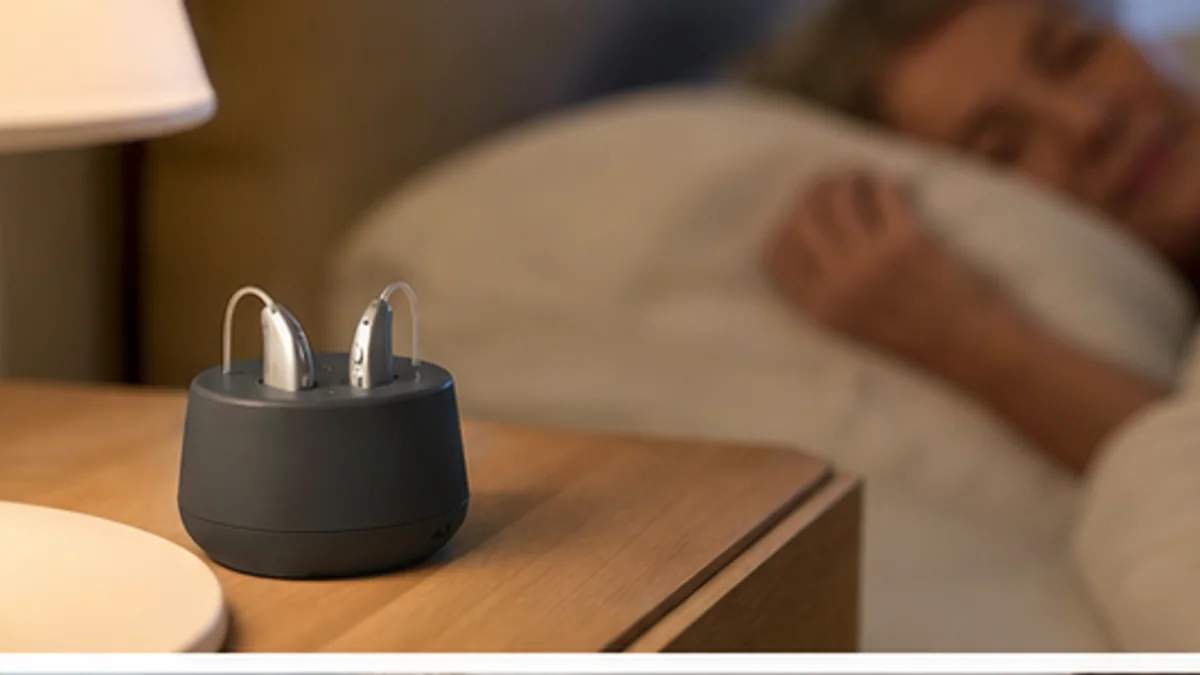
When the problem is frustrating, the trick is to isolate one variable at a time.
A charging failure is often in the case or the contacts rather than the hearing aid itself.
“Put the other hearing aid in the same slot. If that one fails too, the problem is the charger, not the device.”
Step 1: isolate the problem
Write down whether it happens in one ear, one room, one app, one device, or one kind of listening environment.
Step 2: check the simple variables
The most helpful details are which ear or device is affected, when the issue started, cleaning habits, charger behavior, and feedback or weak sound.
Step 3: stop troubleshooting when symptoms are medical
Seek prompt medical guidance for sudden hearing loss, severe dizziness, new one-sided symptoms, drainage, significant ear pain, facial weakness, head injury, or heartbeat-like tinnitus.
Step 4: let testing narrow it down
A bench check finds whether the fault sits in the charger, the contacts or the device, before anything is sent away for repair.
Step 5: bring the evidence
Bring devices, chargers, domes, wax guards, app access, prior test results, and examples from real life.
Local care note
Local follow-up is valuable because the first appointment answers the big question, while later adjustments refine comfort, clarity, and confidence.
Bottom line
The best next step is a device clean-and-check, repair triage, reprogramming, or fit adjustment.
Common questions
Should I try a different cable before booking?
Yes. Try another cable and socket, clean the contacts, and swap the two hearing aids between slots. Book if it still will not charge after that.
What symptoms should make me act faster?
Seek prompt medical guidance for sudden hearing loss, severe dizziness, new one-sided symptoms, drainage, significant pain, facial weakness, head injury, or heartbeat-like tinnitus.
What should I bring to a charging appointment?
Both hearing aids, the charging case, the cable and plug you use, and a note of which side and which slot fails.